

If your fertility doctor has mentioned a “frozen embryo transfer,” and your first reaction was a quiet “wait, what exactly happens now?”, we get you.
Terms like FET, cryopreservation, vitrification, and FET protocol can feel overwhelming when all you really want is a healthy pregnancy.
The good news is that the idea behind FET is quite simple. An embryo created during IVF is frozen, kept safely on pause, and then thawed and placed into your uterus when your body, and you, are ready.
Far from being a backup plan, frozen transfers have quietly become one of the most common and trusted steps in modern fertility care. This guide walks you through what FET is, how it works step by step, what the timeline looks like, how successful it is, and why so many doctors now recommend it.
Fast Facts About FET
- What it is: A frozen embryo transfer is the process of thawing a previously frozen (cryopreserved) embryo and gently placing it into the uterus, where it can implant and grow.
- Why it’s done: FET lets the uterus recover from ovarian stimulation, allows precise timing of the transfer, and makes use of embryos saved from a previous IVF cycle.
- Medicated vs. natural: Most FETs are medicated, using estrogen and progesterone to prepare the uterine lining. Natural cycles rely on your own ovulation, sometimes with light support.
- Timeline: A typical FET cycle takes about four to six weeks from preparation to pregnancy test.
- Success: Thanks to modern freezing (vitrification), embryo survival after thaw now exceeds 95%, and FET success rates match or exceed fresh transfers in many patients.
- It’s now mainstream: More than half of children born through assisted reproduction today come from frozen-thawed cycles.
What Is a Frozen Embryo Transfer? Breaking it down:
A frozen embryo transfer, FET, is a procedure used in assisted reproductive technology (ART) in which an embryo created during a previous IVF or donor-egg cycle is thawed and transferred into the uterus, with the goal of achieving a pregnancy.
Here is the wider picture:
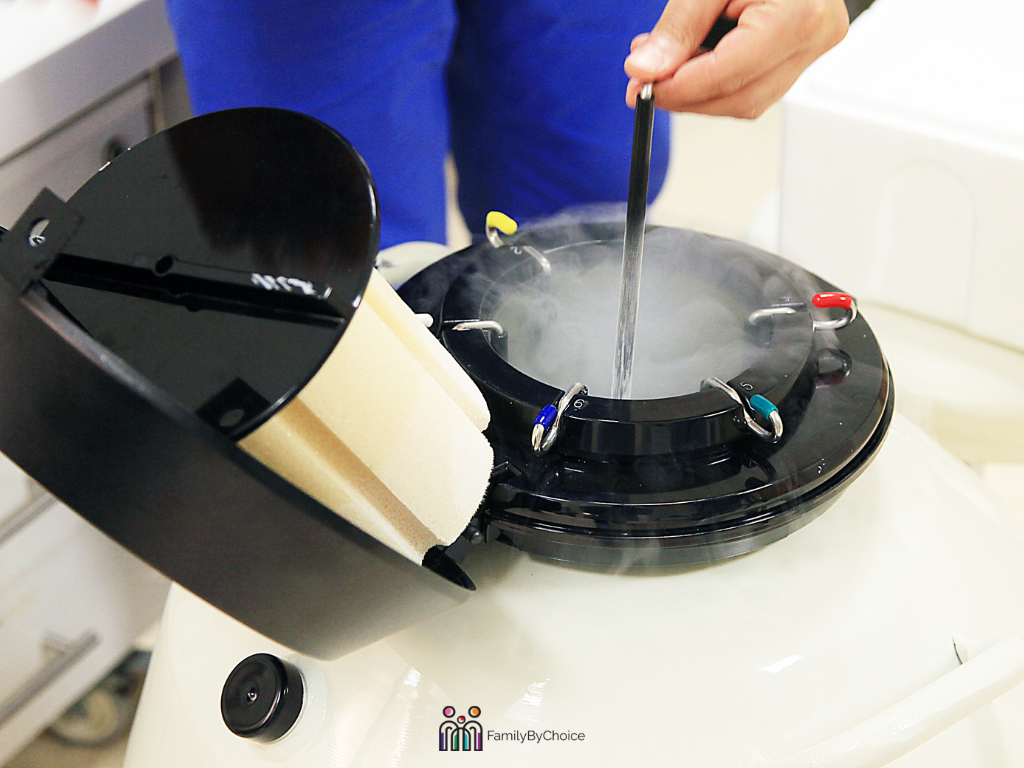
During an IVF cycle, doctors retrieve eggs, fertilize them, and grow several embryos in the lab. Not all of them are transferred right away. The remaining good-quality embryos are frozen using a rapid-freezing method called vitrification and stored sometimes for months, sometimes for years. An FET is when you come back to use one of those stored embryos.
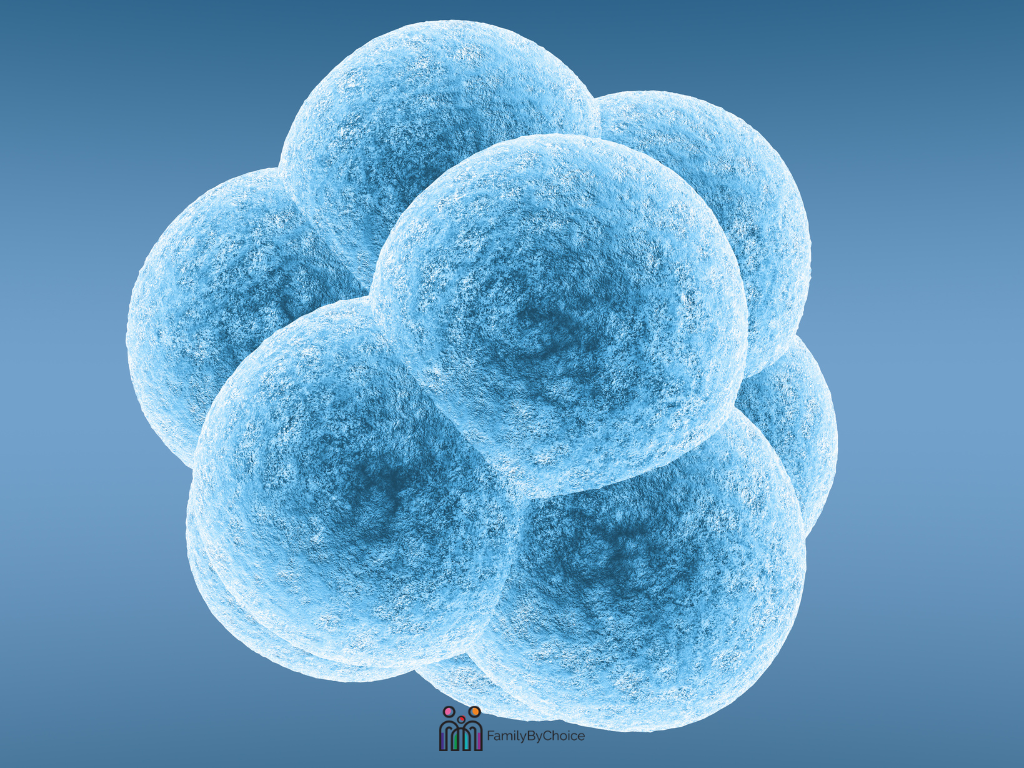
Think of your frozen embryos as being kept in a kind of pause mode. When the timing is right and your body is prepared, an embryo is carefully thawed and placed into your uterus, where it has the chance to implant.
Vitrification is what makes this possible: it freezes the embryo so quickly that damaging ice crystals do not form, which is why post-thaw survival rates now routinely exceed 95%.
Why FET Has Become So Common
Not long ago, transferring a fresh embryo a few days after egg retrieval was the standard approach. That has changed dramatically. In the United States alone, the number of “freeze-all” cycles grew 33-fold between 2007 and 2016, and globally the use of frozen transfers continues to climb. Today, an estimated majority of ART babies are born from frozen-thawed cycles. There are three main reasons behind this shift.
When is FET medically advised
During an IVF cycle, the ovaries are stimulated with medication to produce many eggs at once. This puts the body under significant hormonal stress, and the very high estrogen levels it creates can make the uterine lining less receptive to an embryo in that same cycle. Researchers now understand that these supraphysiologic hormone levels can reduce endometrial receptivity, which is one of the core problems a frozen transfer solves.
Freezing the embryos and transferring them in a later, calmer cycle gives the uterus time to return to a more natural state. It also virtually eliminates the risk of ovarian hyperstimulation syndrome (OHSS) being made worse by an early pregnancy – one reason a freeze-all strategy is especially recommended for women with PCOS and other high responders.
Flexibility and easier scheduling
A frozen transfer is far easier to plan than a fresh one. Because the embryos are already created and waiting, the cycle can be scheduled in advance and is rarely cancelled once it starts. That flexibility matters enormously for patients who travel for treatment, who want to recover physically before pregnancy, or who simply need to align the transfer with the rest of their lives. It also supports the modern standard of transferring a single embryo at a time, which lowers the risk of twins and triplets.
Using your remaining embryos
A single IVF cycle often produces several high-quality embryos. Today’s standard of care is to transfer one and freeze the rest. FET makes it possible to try again after an unsuccessful transfer, or to return years later to grow your family, without going through another full round of stimulation and egg retrieval. For people preserving fertility before cancer treatment or other life events, those frozen embryos are a chance to pursue parenthood when the time is right.
How FET Works: The Process Step by Step
Understanding each stage can make the process feel far less intimidating. Here is what a typical FET cycle looks like:
1. Preparation and baseline testing
Before anything begins, your care team checks that your body is ready. Blood tests assess your hormone levels, and an ultrasound examines your uterus and lining. Because a frozen transfer follows an IVF cycle you have already completed, this stage usually requires much less testing than a fresh cycle, often just current infectious-disease bloodwork and, in some cases, a mock (practice) transfer to map the path.
2. Preparing the uterine lining (cycle syncing)
The goal here is a thick, receptive endometrium timed perfectly to the embryo’s stage of development. Depending on your body and history, your doctor will choose a medicated or natural approach (explained in the next section) and monitor your progress with ultrasound and bloodwork.
3. Thawing the embryo
On the day of transfer, the embryology lab carefully thaws your chosen embryo and confirms that it has survived and looks healthy before the procedure goes ahead.
4. The transfer procedure
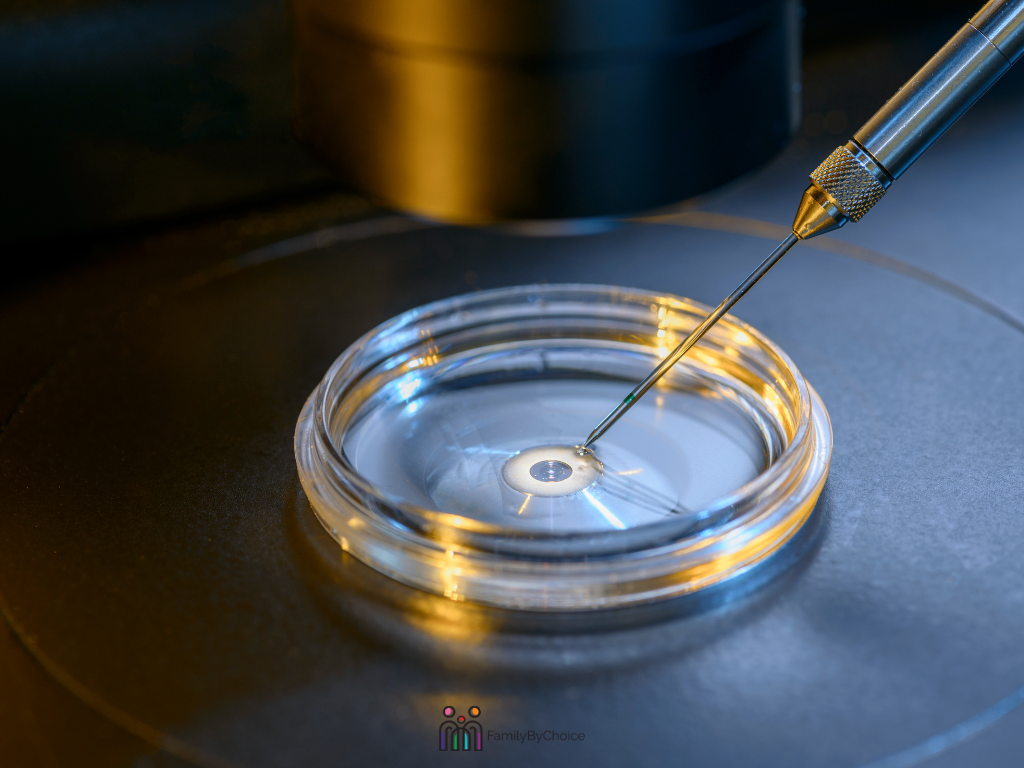
This is the moment everything has built toward, and it is quick and gentle. Using ultrasound for guidance, the physician passes a thin, soft catheter through the cervix and releases the embryo into the uterus. It usually takes only a few minutes, requires no anesthesia, and feels similar to a Pap smear for most people.
5. Post-transfer care and the wait
Afterward, you will continue supportive medications (typically progesterone) and receive instructions for the days ahead. Roughly nine to twelve days later, a blood test measuring beta hCG confirms whether the embryo has implanted.
Medicated vs. Natural FET
There are two main ways to prepare your body for the transfer, and both are effective.
A medicated (or “programmed”) FET uses estrogen to build the uterine lining and progesterone to make it receptive to the embryo. Because the medications control the timing, this approach offers excellent predictability and is especially useful for women with irregular cycles or those who struggle to grow an adequate lining.
A natural or modified-natural FET works with your body’s own ovulation rather than overriding it. Monitoring identifies your natural fertile window, and the transfer is timed to it. A modified version may use an hCG trigger shot or a medication to pinpoint ovulation. Because the body produces its own progesterone after ovulating, supplementation is usually lighter.
Neither approach is universally “better.” Research comparing the two is mixed, and the right choice depends on your cycle regularity, medical history, and personal preferences. Your fertility specialist will help you decide.
FET Timeline: What Four to Six Weeks Looks Like
In a medicated cycle, the schedule generally unfolds like this:
- Days 1–2 of your cycle: Begin estrogen to start building the uterine lining.
- Around days 10–14: Monitoring appointments use ultrasound and bloodwork to confirm the lining has thickened appropriately.
- 3–5 days before transfer: Begin progesterone, typically three days before a cleavage-stage (day 3) embryo or five days before a blastocyst (day 5) embryo.
- Transfer day: The embryo is thawed and placed into the uterus.
- 9–12 days after transfer: A beta hCG blood test confirms whether you are pregnant.
- After a positive test: Progesterone usually continues until the placenta takes over hormone production, generally somewhere between 8 and 12 weeks of pregnancy. Always follow your own clinic’s instructions on when to stop.
However, every FET preparation is individual, and your fertility specialist will tailor the medication schedule and monitoring plan to your body, embryo stage, and clinic protocol.
Fresh vs. Frozen Embryo Transfer
This is one of the most common questions patients ask, so it is worth laying out side by side.
| Factor | Fresh Transfer | Frozen Transfer (FET) |
| Timing | Embryo transferred a few days after egg retrieval, in the same stimulated cycle | Embryo frozen and transferred in a later, separate cycle |
| Uterine environment | Lining exposed to high stimulation hormones | Lining prepared in a calmer, more natural state |
| Scheduling | Tied to the retrieval cycle | Flexible; planned in advance |
| OHSS risk | Higher, especially in strong responders | Lower; freezing all embryos helps avoid it |
| Success rates | Strong, but may be lower for some patients | Equal or better in many groups, especially older patients and high responders |
| Best for | Some normal responders who prefer not to wait | PCOS, high responders, PGT-tested embryos, fertility preservation, banked embryos |
The evidence increasingly favors frozen transfers for many patients. A large analysis of more than 43,000 cycles found that women over 37 had meaningfully higher live-birth rates with frozen than with fresh transfers, and a 2024 study of initial ART cycles likewise found higher live-birth rates with first frozen transfers, with the advantage growing at older ages, a pattern researchers link to better endometrial receptivity in frozen cycles.
There is nuance on the newborn side, too. A systematic review and meta-analysis of more than 171,000 participants found that frozen transfers were associated with lower rates of preterm birth and low birth weight than fresh transfers, but with somewhat higher rates of larger-than-average babies and caesarean delivery. These are population-level trends, not predictions for any individual pregnancy, and they are worth discussing with your own doctor.
FET Success Rates & Factors That Shape The Outcome
Age is the single biggest factor. Success rates are highest under 35 and decline gradually with age, though many people still conceive successfully in their late 30s and early 40s. The same national analysis above reported frozen live-birth rates of around 35.7% at ages 38–40 and 30.3% at 41–42, compared with substantially lower fresh-transfer rates in those groups.
Embryo quality matters enormously; higher-grade embryos implant more readily.
Embryo stage: Day-5 blastocysts generally have slightly higher implantation rates than day-3 embryos, though day-3 transfers can still be the right choice in some cases.
Uterine lining and overall health, including factors like sleep, stress, smoking, alcohol, and weight, also play a role.
For some groups the benefit of freezing is especially clear: in a randomized trial of women with PCOS, a freeze-all strategy produced a higher live-birth rate and a far lower pregnancy-loss rate than fresh transfer.
Who Is a Good Candidate for FET?
FET is a versatile option that suits many people, including:
- Anyone with frozen embryos from a previous IVF cycle who wants to try again or expand their family without another retrieval.
- People with conditions such as PCOS, endometriosis, or a history of OHSS, who often benefit from the calmer hormonal environment of a frozen cycle.
- Patients using PGT-tested embryos, since genetic testing requires the embryo to be frozen while results come back.
- Donor-egg recipients, whose cycles must be synchronized.
- Fertility-preservation patients who froze embryos before cancer treatment or for personal reasons.
What to Expect After the FET
The two-week wait between transfer and pregnancy test can be emotionally intense, so a little honesty helps. Some people notice mild cramping, light spotting, breast tenderness, or fatigue. Here is the important part: these symptoms are not reliable signs of success or failure.
They can be caused by the progesterone you are taking, and their presence or absence tells you very little. The only way to know is the beta hCG blood test your clinic schedules. Try, as much as you can, to treat this as ordinary time rather than a daily search for symptoms, and lean on your support network and care team.
How Much Does an FET Cost?
Costs vary widely between clinics and countries. In the United States, the procedure itself (including monitoring) commonly ranges from roughly $2,000 to over $7,000, with a frequently cited national average around $5,000. Medications for a medicated cycle: estrogen, progesterone, and any additional drugs typically add several hundred to over a thousand dollars. Natural cycles use fewer medications but may involve more monitoring visits. Because pricing and insurance coverage differ so much, always request a written estimate from your clinic and verify coverage with your insurer before starting.
What You Usually Want to Know About FET
Is a frozen embryo transfer more successful than a fresh one?
In many cases, yes. FET matches or slightly outperforms fresh transfer because the uterus has time to recover from stimulation, and the advantage tends to be larger for older patients and high responders. The best approach still depends on your individual situation.
How long does the transfer procedure take?
The transfer itself usually takes only a few minutes. The full cycle, from preparation to pregnancy test, takes about four to six weeks.
Does the transfer hurt?
Most people find it comparable to a Pap smear, brief and only mildly uncomfortable. It typically does not require anesthesia.
What are the signs of a successful transfer?
There are no reliable physical signs. Cramping, spotting, or fatigue may occur but can also come from medications. A beta hCG blood test is the only way to confirm pregnancy.
Is a day-5 embryo better than a day-3 embryo?
Day-5 blastocysts generally have slightly higher implantation rates, but day-3 embryos can still be the right choice depending on how the embryos develop.
When do I stop taking progesterone?
Most clinics continue progesterone until the placenta takes over hormone production, usually between 8 and 12 weeks of pregnancy. Follow your own clinic’s guidance closely.
A Final Word
A frozen embryo transfer is no longer a fallback. It is a precise, flexible, and highly effective cornerstone of modern fertility care, giving many people their best chance at a healthy pregnancy from a single IVF cycle. Understanding how it works is one of the most empowering things you can do on this journey, because informed patients ask better questions and feel more in control.
If you would like to go deeper, explore Family By Choice IVF courses. Every course on our app is available in six languages – English, French, German, Spanish, Serbian, and Croatian, so you can learn in a language that feels like home.
This article is for educational purposes only and is not a substitute for personalized medical advice. Always consult your fertility specialist about your individual care.